Retina Conditions Treated in Simi Valley
Simi Valley Retina Specialists evaluates and treats medical and surgical diseases of the retina, macula, and vitreous. Common conditions include macular degeneration, diabetic retinopathy, diabetic macular edema, retinal tears, retinal detachment, retinal vein occlusion, epiretinal membrane, macular hole, posterior vitreous detachment, and floaters.
Age-Related Macular Degeneration
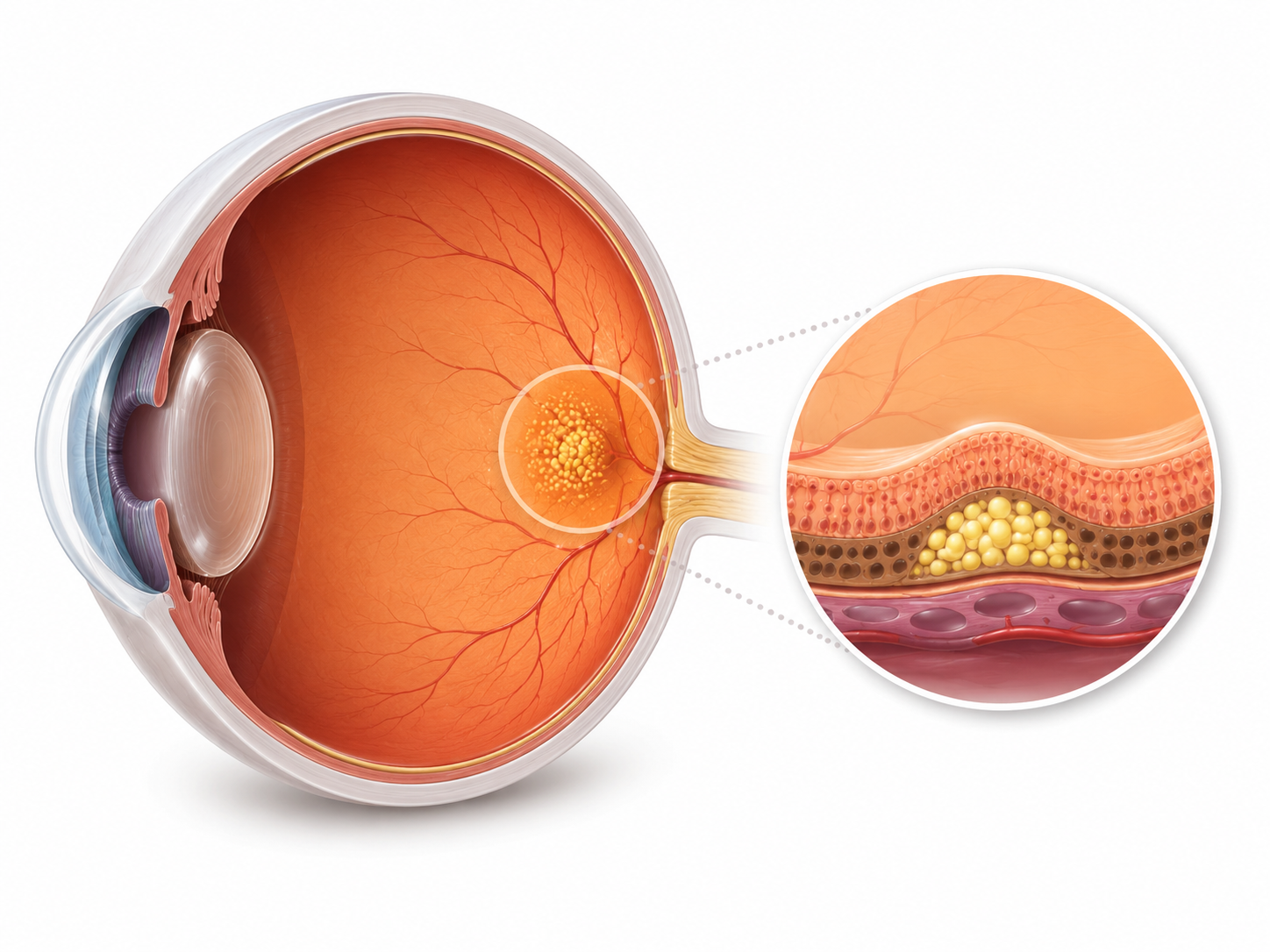
Age-related macular degeneration, or AMD, affects the macula, the central part of the retina responsible for detailed vision. AMD occurs in dry and wet forms and may cause blurred vision, distortion, difficulty reading, or loss of central vision.
Simi Valley Retina Specialists evaluates both dry and wet AMD using a dilated retinal examination and advanced retinal imaging such as optical coherence tomography (OCT). Treatment depends on the type and stage of AMD and may include observation, nutritional supplementation when appropriate, intravitreal injections for wet AMD, treatment for geographic atrophy when indicated, and Valeda® photobiomodulation for patients with dry AMD.
Learn more about Valeda photobiomodulation for dry AMD
Diabetic Retinopathy
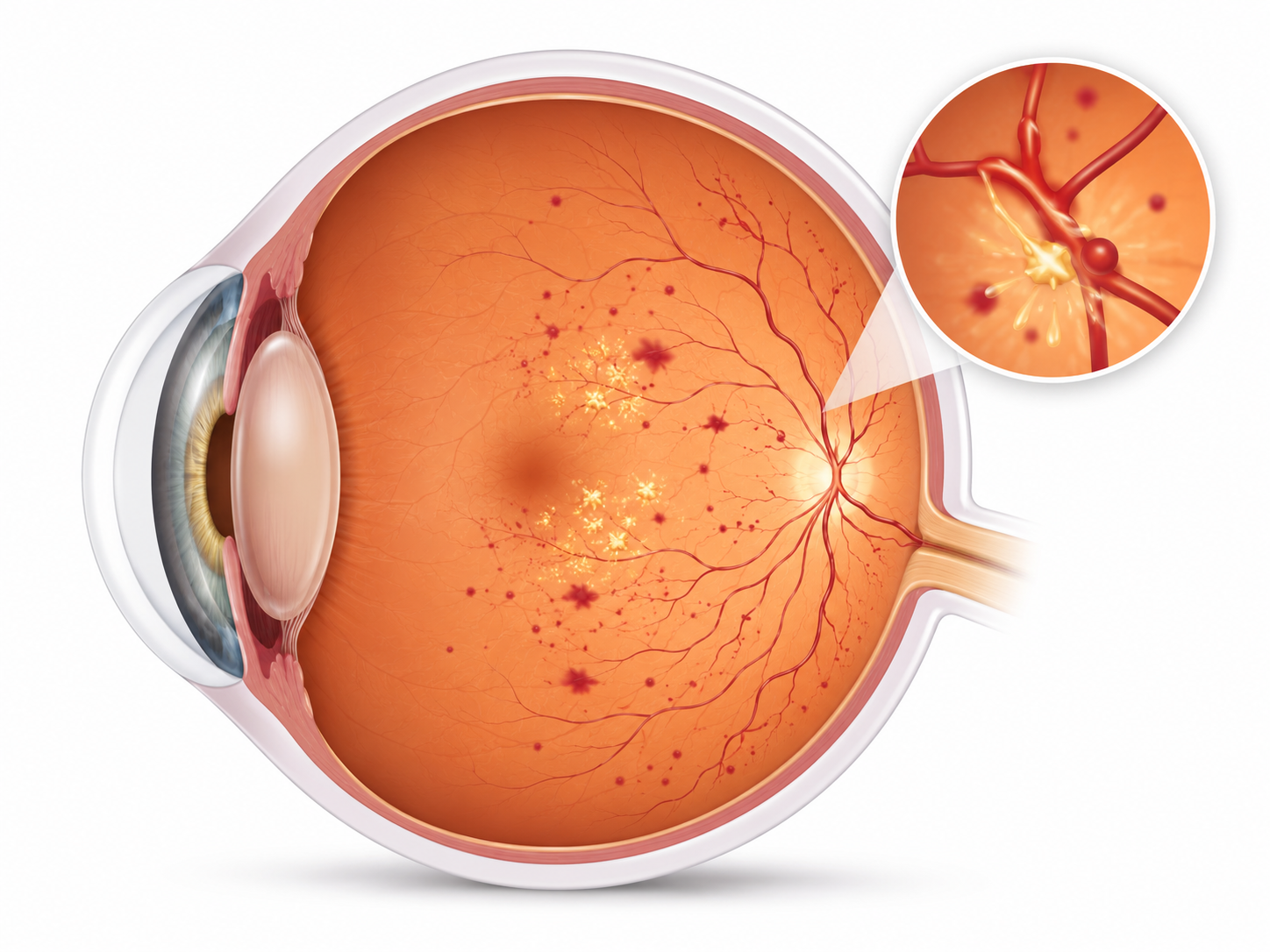
Diabetic retinopathy occurs when diabetes damages the small blood vessels in the retina. It can range from mild changes that require monitoring to more advanced disease that may threaten vision. Patients with diabetic retinopathy may have no symptoms early on, which is why regular dilated eye examinations are important. Simi Valley Retina Specialists evaluates and treats diabetic retinopathy with retinal imaging, careful monitoring, and treatment options that may include eye injections, laser treatment, or surgery depending on the severity of disease.
Diabetic Macular Edema
Diabetic macular edema is swelling in the macula caused by leaking blood vessels from diabetes. It is one of the most common reasons patients with diabetes develop blurred or distorted central vision. Evaluation usually includes a dilated retinal examination and optical coherence tomography, also known as OCT, to assess swelling in the retina. Treatment may include intravitreal injections, laser treatment, and ongoing monitoring to help reduce swelling and protect vision.
Retinal Tears
A retinal tear can occur when the vitreous gel pulls on the retina, often causing symptoms such as new floaters, flashes of light, or a shadow in the vision. Retinal tears are important because they can sometimes progress to retinal detachment if not treated. Simi Valley Retina Specialists evaluates patients with new flashes and floaters and treats retinal tears when needed, most commonly with retinal laser or cryotherapy to help seal the tear and reduce the risk of detachment.
Retinal Detachment
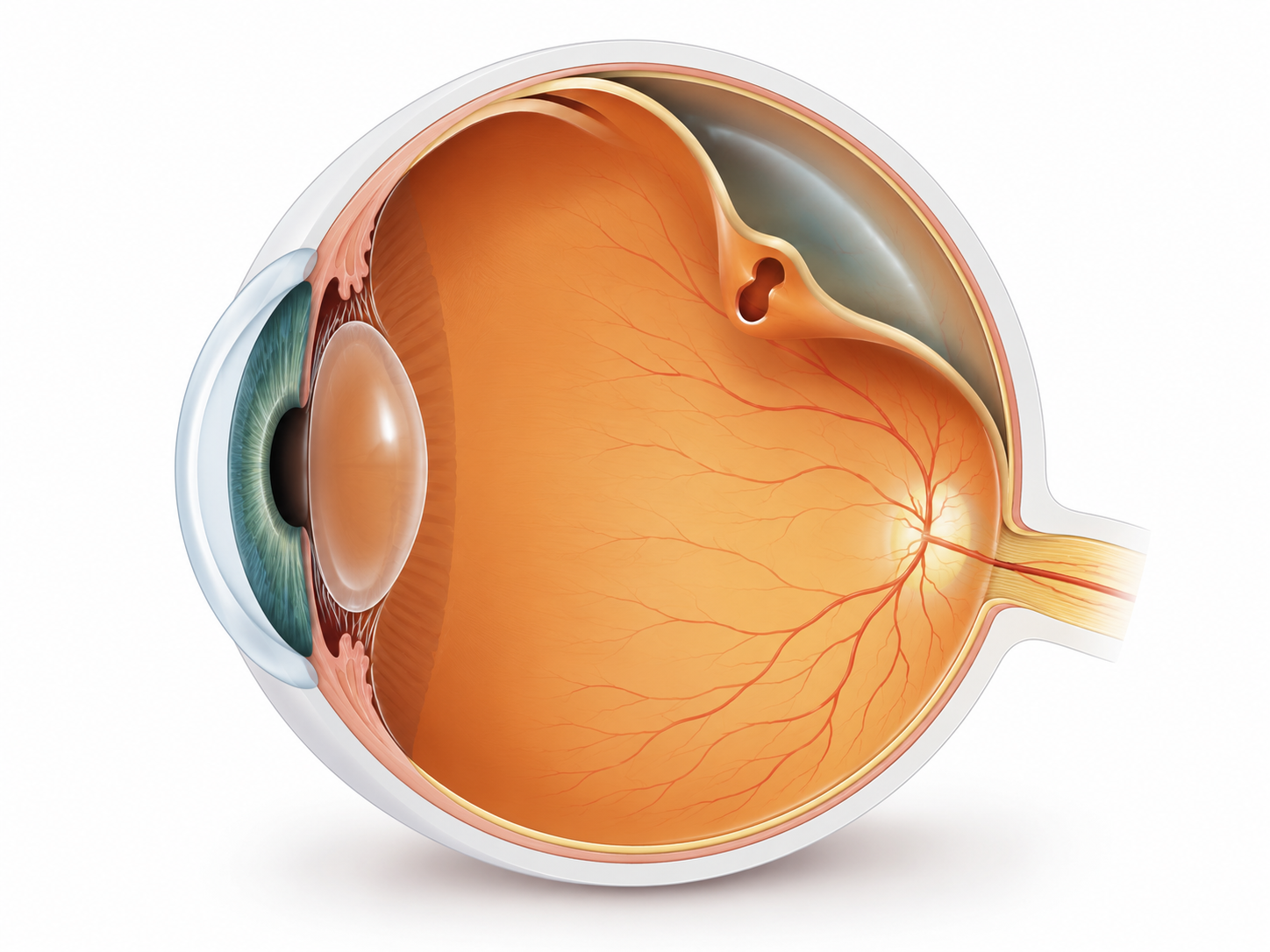
A retinal detachment occurs when the retina separates from the wall of the eye. Symptoms may include flashing lights, new floaters, blurred vision, or a curtain-like shadow moving across the vision. Retinal detachment is a serious condition that often requires urgent evaluation and treatment. Depending on the type and severity of detachment, treatment options may include pneumatic retinopexy, vitrectomy surgery, scleral buckle surgery, or laser.
Retinal Vein Occlusion
A retinal vein occlusion occurs when a vein draining blood from the retina becomes blocked. This can lead to retinal bleeding, swelling in the macula, and blurry or distorted vision. Some patients notice sudden vision loss, while others have more subtle symptoms. Simi Valley Retina Specialists evaluates branch retinal vein occlusion and central retinal vein occlusion using retinal examination and imaging. Treatment may include observation, intravitreal injections, laser treatment, and monitoring for complications.
Epiretinal Membrane
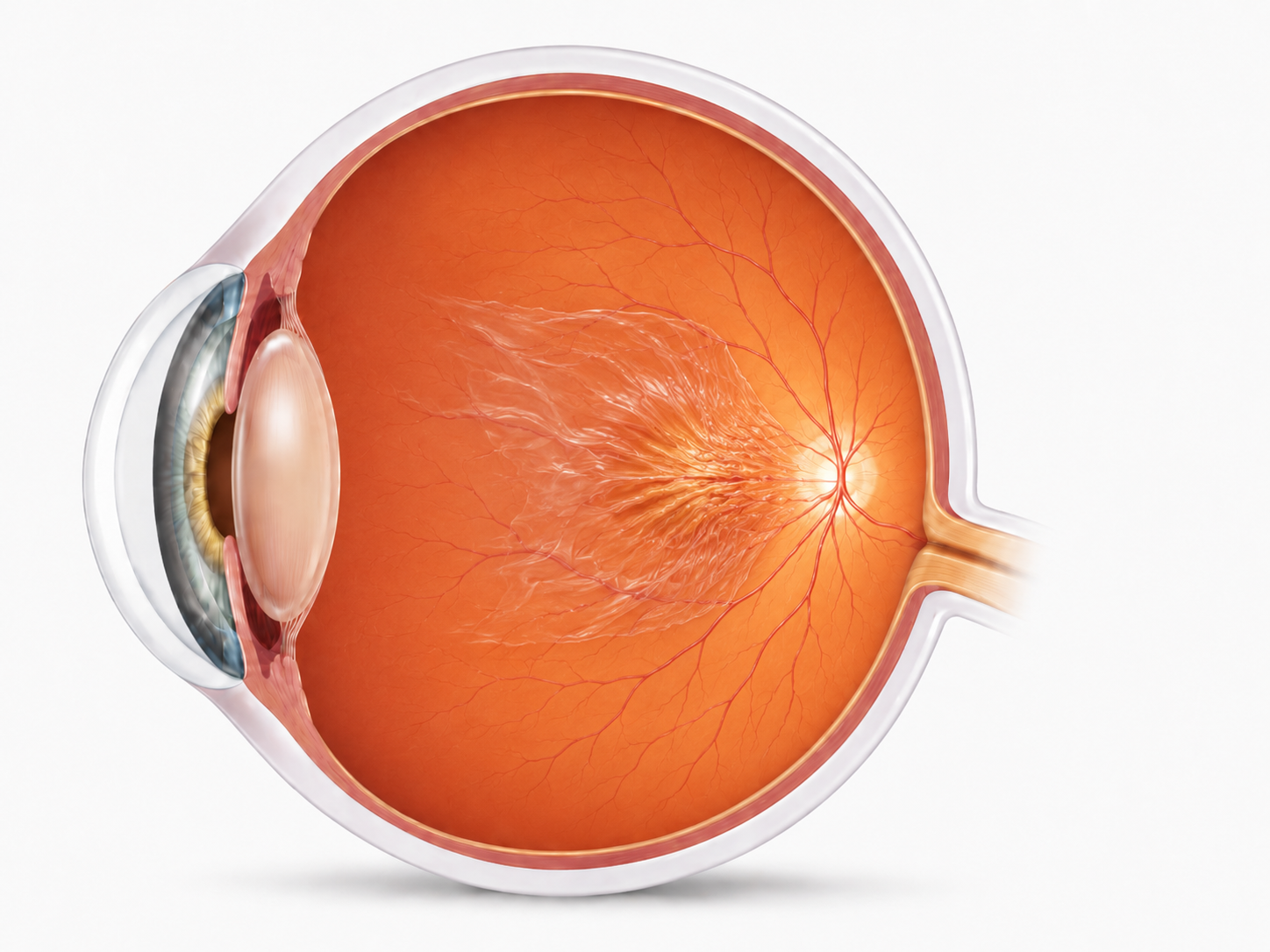
An epiretinal membrane, also called a macular pucker, is a thin layer of scar-like tissue that forms on the surface of the macula. It can cause blurred vision, distortion, double vision in one eye, or difficulty reading. Mild cases may only require monitoring. More significant cases can sometimes be treated with vitrectomy surgery and membrane peeling. Simi Valley Retina Specialists evaluates epiretinal membranes with a retinal examination and OCT imaging to determine whether observation or surgery is appropriate.
Macular Hole
A macular hole is a small opening in the center of the macula, the part of the retina used for detailed central vision. Symptoms may include blurred central vision, distortion, or a missing spot in the center of vision. Macular holes are commonly diagnosed with a dilated retinal examination and OCT imaging. Depending on the size and stage of the macular hole, treatment may include monitoring or vitrectomy surgery to help close the hole and improve the chance of visual recovery.
Posterior Vitreous Detachment and Floaters
A posterior vitreous detachment, or PVD, occurs when the vitreous gel inside the eye separates from the retina. This is common with aging and often causes new floaters or flashes of light. While many PVDs are not dangerous, new flashes or floaters should be evaluated because they can sometimes be associated with a retinal tear or retinal detachment. Simi Valley Retina Specialists performs a careful dilated retinal examination to check for retinal tears and other complications.
Vitreous Hemorrhage
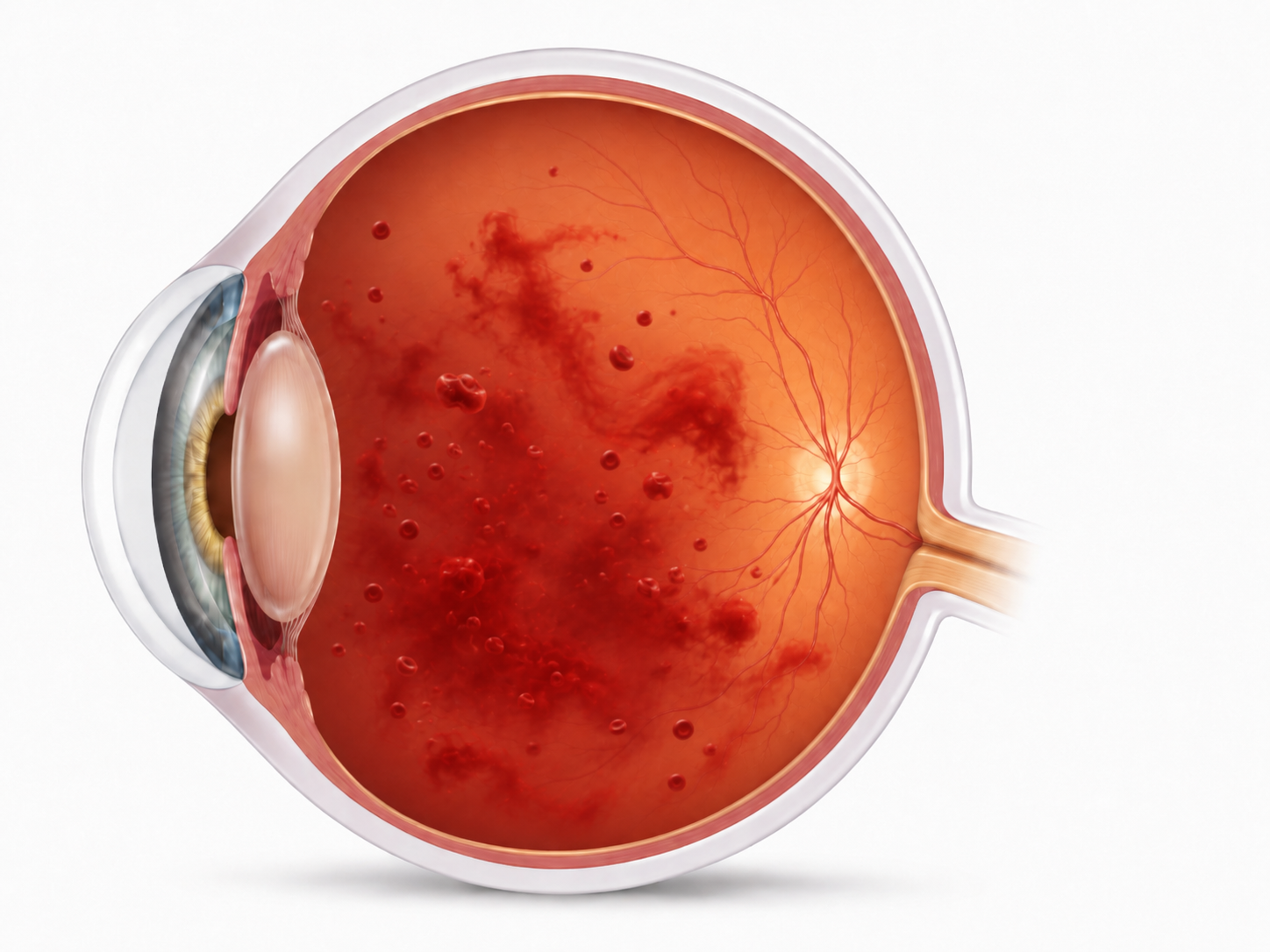
A vitreous hemorrhage occurs when blood leaks into the vitreous gel inside the eye. Patients may notice sudden floaters, haze, cobwebs, or decreased vision. Causes can include diabetic retinopathy, retinal tears, retinal vein occlusion, trauma, or other retinal vascular conditions. Evaluation may include a dilated retinal examination, retinal imaging, and ultrasound if the view to the retina is limited. Treatment depends on the cause and may include observation, laser, injections, or vitrectomy surgery.